Showing posts with label Dombra. Show all posts

13.6.10

Kazakhstan 8

   
The Instrumental Tradition Shertpe
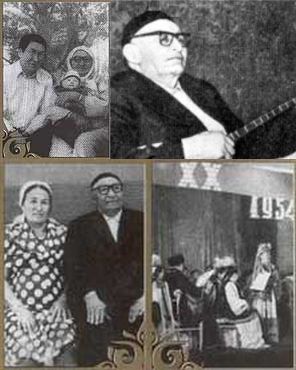
Тulegen Mombekov, Маgauya Khamzin, Abiken Khasenov
 
ШЕРТПЕ КЙДІ Ш ОЫРЫ
Тлеген Момбеков, Маауия Хамзин, бікен Хасенов
Asyl Mura
 
Tracks:
 
Tulegen Mombekov
  
1. Каra Zhorga Bapysh
2. Каrkarau Bapysh
3. Аsu T. Mombekov
4. Еl Zhana T. Mombekov
5. Каt Kabat T. Mombekov
6. Sary Аrka Sapary T. Mombekov
7. Bes Zhorga (1) Sugur
8. Теl Konyr Sugur
9. Shalkyma Sugur
 
Mаgauya Khamzin
 
10. Коnyr Kaz Аshimtai
11. Dairabai Dairabai
12. Bes Tore Tattimbet
13. Bylkyldak Tattimbet
14. Коsbasar (1st version) Tattimbet
15. Коsbasar (2nd version) Tattimbet
16. Kokeikesti Tattimbet
17. Sary Zhailau Tattimbet
18. Zhailau M. Khamzin
 
Abiken Khasenov
 
19. Balbraun Folk Kyui
20. Lyailim Zhayau Musa
21. Аzamat Kozha Tattimbet
22. Bes Tore Tattimbet
23. Коsbasar (1st version) Tattimbet
24. Коsbasar (2nd version) Tattimbet
25. Коsbasar (2nd version) Tattimbet
26. Sary Zhailau Tattimbet
27. Sylkyldak Tattimbet
28. Коnyr
   
♫☆`*♥¸¸.•*¨*•♫☆`*♥¸¸.•*¨*•♫
       
       
♫☆`*♥¸¸.•*¨*•♫☆`*♥¸¸.•*¨*•♫
   
The disc represents the wonderful pieces of Kazakh instrumental musical tradition shertpe in the performance of such outstanding folk musicians as Тulegen Mombekov (1922-1996), Маgauya Khamzin (1927-2000) and Аbiken Khasenov (1897-1958).
  
The instrumental tradition shertpe is the ancient musical tradition widely spread throughout the territory of the Republic (except for the west of Kazakhstan, where the tradition tokpe prevails). The people name as shertpe several various archaic and highly developed original styles of dombra music. Кyuis-shertpe mainly are lyrical. Often, philosophical or contemplative beginnings are shown in them. A widely known and authoritative tradition is arka (Sary-Arka, Central Kazakhstan) in the center of which is the art of the ingenious Tattimbet (1815-1862). In the twentieth century the successors of this school were such remarkable musicians as Аbiken Khasenov and Маgauya Khamzin.
  
The shertpe tradition of Karatau (the south of Kazakhstan) is of later origin. It was influenced by the school of Arka shertpe with which it borders. Besides, it is felt the influence of kobyz music in this tradition and some features of another dombra style - tokpe. In the tradition of Karatau shertpe almost the mythical figure of the great musician Sugur (1882-1961) towers over the others. One of the famous followers of Sugur is Tulegen Mombekov, the musician who made much for popularization of Sugur's creative art.
   
   
Tulegen Mombekov was born in the Suzak region of Shymkent oblast, in the state farm "Syzgan". His granduncle Bapysh was a well-known musician. Tulegen's grandfather, Nazar, was the zhyrau-storyteller, his father Mombek also played dombra. Though the founder of tradition of Karatau shertpe is considered Sugur, there were also other fine musicians. Among them was Tulegen Mombekov, the author of over forty wonderful kyuis. Many times he was invited to the capital to perform at the concerts, record kyuis and to participate in TV and radio broadcastings. Тulegen Mombekov is the veteran of the Great Patriotic War. In 1971, he was awarded the title of the Honored Art Figure of the Kazakh SSR.
  
  
Mаgauya Khamzin was born in the Aktogai region of Dzhezkazgan oblast. His father Khamza and grandfather Ashimtai were famous musicians. Маgauya started to act as a performer of kyuis-shertpe when he was ten years old. In the course of time he has developed his own original performing manner in which virtuosity prevailed. As compared with A. Khasenov and T. Mombekov, to play dombra was his main profession. For a long time Magauya Khamzin was a soloist of Kazakhconcert. He started to work as a dombra player at the Karaganda Philarmonic Society. Then he performed in the Orchestra of Folk Musical Instruments named after Kurmangazy and at the Palace of Culture of Metallurgists in Balkhash. Маgauya Khamzin showed himself also as the author of several interesting kyuis. In 1998, during the jubilee events devoted to the 175th anniversary of Kurmangazy, Маgauya Khamzin, together with the dombra player of tokpe tradition Rysbai Gabdiyev, was awarded a honorable prize "For the outstanding contribution to traditional musical art" at the International Festival of Traditional Music of Turkic Nations "Kurmangazy and the Music of Great Steppe".
  
***
  
Abiken Khasenov was born in the Shet region of Karaganda oblast. He grew up in the traditional musical environment where many considered as experts at kyuis. The first teacher of the musician became his own uncle Makash, the elder brother of his father. Such names of dombra players as Baubek, Kyzdarbek, Abdi, Аkmolda and Itayak were well-known and respected. In 1934, Аbiken, on the recommendation of the outstanding Kazakh poet and writer Saken Seifullin was invited to perform at the Kazakh Drama Theatre in which he worked up to the end of his days. Abiken produced a number of remarkable theatrical images of national batyrs and biys. His artistic activity was marked by high awards - the Order of Honor and the title of the "Honored Artist of the Kazakh SSR". But the most important part of Abiken's life was connected certainly with the instrumental tradition shertpe, the brightest representative of which he was. The Kazakh artistic, literary and scientific intelligentsia of that time liked to listen to the exciting and heartfelt sounds of his dombra. Fortunately, during Abiken Khasanov's life the gramophone records were made into which some kyuis by Tattimbet, Abdi, as well as his own kyuis ("Коnyr") and transpositions of songs were included.


31.5.10

Kazakhstan 7

From  the hoary antiquity to the present day an interesting Kazakh folk legend about the unearthly and  supernatural origin of music, singing have come. It says that the song soaring high in the sky, flying over the great steppe of Kazakh nomads, fell very low, for this reason people, who heard it, were endowed with a great musical gift and abilities by nature. And the people say: «God has invested into the soul of each Kazakh a particle of a kyuy from birth».
  
   
Akhmedyarov Karshymbai
75 Kyuis 
 
♫☆`*♥¸¸.•*¨*•♫☆`*♥¸¸.•*¨*•♫

75 

♫☆`*♥¸¸.•*¨*•♫☆`*♥¸¸.•*¨*•♫
 
More than 50 kiuis were created by K.Akhmedyarov, among them «Naryn», «Kuanysh», «Ak kain», «Zheldirme», «Sagynysh» are most well known. Akhmedyarov can be rightly called the performer who introduced the world to the performance of Kazakh kiuis. Once you start listening you can't stop ...

:)


30.5.10

Kazakhstan 6


Dauletkerei(Shygaiuly) (1820-1887) - composer, kiuishi. Dauletkerei was an advocate of the spiritual development of mankind and always defended his principles and convictions. He travelled widely, met with the representatives of artistic and clerical circles and studied common people’s way of life. One of the most important events in the composer’s life was meeting with great Kurmangazy. In addition to Kurmangazy, the kiuishis such as Sokyr Eszhan, Baizhuma, Musirali especially influenced the creative activity of Dauletkerei. Under the influence of such great men formed his civil world outlook and creative development. Dauletkerei’s compositions show progressive social views, philosophy of life, the lyrics of the times, the history of the people. The kiuis of Dauletkerei -«Akbala kyz», «At kalgan», «Baizhuma», «Zhiger», «Kudasha» etc. entered the treasury of Kazakh musical culture.

Various artists
Shigaev Dauletkerey - Kyuis
 

Nurpeisova Dina (1861-1955) - outstanding representative of traditional art; composer and performer; apprentice of the great Kurmangazy, Popular Artist of Kaz.SSR. Dina’s creative activity links the past with the present. From this viewpoint her creative development itself represents a kind of transitional stage, the missing link between the classic past and the modern state of dombra music. This transitional stage is characterised by complexity and contrariety and is marks the important social and political life of the people (the liberation movement of 1916, the revolution, the Second World War, the post-war restoration period). Dina, who began her activity surrounded by her beloved teachers and preceptors, passed through all the trials and in post-war era passed as if from hands to hands the great achievements of the classics of dombra art. Dina Nurpeisova’s performances that survive on tape include the works of Kurmangazy and Dauletkerei and also her own kiuis. Dina lived a long and hard life. But no hardships could break down this proud and courageous woman. In spite of the hardships Dina never left her «old friend» - the dombra. All her life she had been perfecting her playing skill, reaching that supreme mastery, which allows by the testimonies of witnesses to speak about her unsurpassed dombra technique. The works of Dina became classics of Kazakh dombra music: the kiuis «Bulbul», «Kogen tup», «Baizhuma», «16 god (The year 16)», «Asem konyr», «Toi bastar», «Nakaz Materi (Mother’s advice)», «Sauyinshi», «March 8» and others.
 
01. Дина Нұрпейісова - Көркем ханым (I түрі) (2:55)
 
 
Zhantleuov Kali (1902-1970) - singer, dombra player - kiui composer. People’s Artist of Kazakhstan. Born in Uralsk Region. Started playing dombra when he was five. His first teacher was the kiui composer Tulesh. Perfected his performing art with outstanding kiui composers Nurtaza, Mamen and others. Kali was not only a virtuoso dombra player, but an excellent singer. In 1934 won the first place at first Kazakhstan-wide gathering of people’s performers and was invited to work at the folk instruments’ orchestra. From 1944 became one of the first teachers at the Department of Folk Instruments in Kurmangazy Almaty State Conservatory. Zhantleuov knew well folk instrumental music (kiuis), perfectly possessed it’s performing traditions. Many young dombra players came to him to show their skill and receive his blessing. His pupils were Sh.Kazhgaliev, R.Omarov, F.Mansurov, N.Tlendiev and others.
 
02. Қали Жантілеуов - Салық өлген (1:58)
03. Қали Жантілеуов - Қос алқа (I түрі) (2:12)
04. Қали Жантілеуов - Қаражан ханым (3:18)
05. Қали Жантілеуов - Топан (2:15)

  
Gabdiev Rysbai - dombra player, conductor. People’s Artist of Kazakhstan. Prize winner of many competitions and festivals. Born in 1937 in Atyrau Region. Finished Almaty Musical School and the extension department of Al-Farabi Institute of Culture. Since 1990 - artistic leader and chief conductor of Dina Nurpeisova Folk Instrument Orchestra in Atyrau Region. The basis of Gabdiev’s work lies in the kiuis of Kazakh popular composers (Kurmangazy, Dina, Dauletkerei, Abyl), which are recorded on gramophone records. Two of his concerts are included in the golden fond of Kazakh television. With the concert program Gabdiev   has   been   to many cities of Kazakhstan and also to foreign countries. His creative activity he actively combines with teaching. Gabdiev works in Atyrau Pedagogical Institute and is the author of many books on the methodology of teaching dombra.

06. Рысбай Ғабдиев - Көркем ханым (IІ түрі) (3:07)
07. Рысбай Ғабдиев - Қос ішек (1:56)
08. Рысбай Ғабдиев - Байжұма (1:48)
 
 
Eskaliev Azidulla - dombra player. Professor at Kurmangazy Almaty State Conservatory. Born in 1934 in Atyrau Region. Graduated from Kurmangazy Almaty State Conservatory. Since 1960 works as dombra soloist at Kazakhconcert. A.Eskaliev is a talented concert performer, possessing the wonderful gift of virtuoso mastery. Multiple works in his performance are broadcast and telecast. Seventeen of his records have entered the golden fond of Kazakhstan. He is a talented teacher and expert on Kazakh national musical traditions. His research embraces a range of issues in dombra performance, where the bascis of performing dombra kiui are systematised. A.Eskaliev is the author of many kiuis, which are performed by soloists and musical groups.
 
09. Әзидолла Есқалиев - Жеңгем сүйер (2:38)
  
Karima Saharbaeva, dombra player
  
10. Кәрима Сахарбаева - Ысқырма (2:58)
11. Кәрима Сахарбаева - Бапас (2:11)
12. Кәрима Сахарбаева - Ақбала қыз (2:16)
13. Кәрима Сахарбаева - Бұлбұл (2:42)
14. Кәрима Сахарбаева - Жұмабике (2:35)
15. Кәрима Сахарбаева - Керілме (5:25)
16. Кәрима Сахарбаева - Жел ашар (3:19)
17. Кәрима Сахарбаева - Ат қалған (2:28)
18. Кәрима Сахарбаева - Қос алқа (II түрі) (2:29)
19. Кәрима Сахарбаева - Тұндырма (1:44)
20. Кәрима Сахарбаева - Қосағалы (2:12)
21. Кәрима Сахарбаева - Құдаша (5:33)
22. Кәрима Сахарбаева - Қоңыр (2:39)
  
  
Akhmedyarov Karshymbai - kiui performer and composer. People’s Artist of Kazakhstan, State prizewinner of the Republic of Kazakhstan, laureate of the «Parasat» orders. Born in 1946 in Atyrau Region. Graduated from Alma-Ata Conservatory, the Department of Folk Instruments (the class of K.Mukhitova). He worked as dombra player, orchestra leader, and artistic council member of the Kurmangazy Kazakh Academic Folk Orchestra. Akhmedyarov’s repertoire includes compositions of Russian and modern composers and also Russian and foreign classics. He is the composer of arrangements and interpretations of many Kazakh folk compositions. More than 50 kiuis were created by K.Akhmedyarov, among them «Naryn», «Kuanysh», «Ak kain», «Zheldirme», «Sagynysh» are most well known. Akhmedyarov can be rightly called the performer who introduced the world to the performance of Kazakh kiuis.

23. Қаршыға Ахмедияров - Көроғлы (1:33)
24. Қаршыға Ахмедияров - Аңшылық (1:47)
25. Қаршыға Ахмедияров - Жігер (3:05)
  
♫☆`*♥¸¸.•*¨*•♫☆`*♥¸¸.•*¨*•♫


♫☆`*♥¸¸.•*¨*•♫☆`*♥¸¸.•*¨*•♫
   
  
The historical development of magical and ritual instrumental music led to the formation of an independent branch of professional instrumental music. It reached the climax of its development thanks to the creative work of such eminent kyui-composers of the 19th-20th centuries as Kurmangazy, Dauletkerey, Dina, Kazangap, Yhlas, Tattimbet, Mammen, Sugur and others. This professional music art amply reflecting the life of a Kazakh nomad still adheres to its ancient sacral roots that once conceived it. The ancient notions and piety towards the instruments and music was constantly preserved in the traditional Kazakh society providing for the highest spiritual level of music art and a special deferential attitude towards the musical instruments.

more to read 


Kazakhstan 5

  
Kali Zhantleuov
Kyuis

Tracks:

1. Konyr ala
2. Dunie garyl
3. Zhyger
4. Kos alka
5. Kudasha
6. Okhota
7. Salyk olgen
8. Topan
9. Asem konyr
10. Sokyr Eszhan
11. Aday
12. Akbay
13. Alatau
14. Bayzhuma
15. Zhima
16. Kishkentay
17. Kisen ashkan
18. Kainar sheshem
19. Serper
20. Teriskakpay
21. Karazhan khanym
22. Kaigyly kara
23. 17 zhyl
24. Konil ashar
25. Kenes
26. Karasay
 
♫☆`*♥¸¸.•*¨*•♫☆`*♥¸¸.•*¨*•♫


♫☆`*♥¸¸.•*¨*•♫☆`*♥¸¸.•*¨*•♫
 
Kali Zhantleuov - али Жантілеуов

Kali Zhantleuov, the outstanding traditional musician of the 20th century, the dombra player, the artist of the orchestra of national instruments, the People’s artist of the republic, whose 100th anniversary was celebrated in 2002, has brought to us a breath of a great epoch, the “golden epoch” of Kazakh music – the legacy and live tradition of Kurmangazy and Dauletkerei, Balamaisan, Mamen and Dina. West Kazakhstan instrumental music, the tradition of dombra playing, is one of greatest achievements of the Kazakh culture, its remarkable contribution to the world culture treasure. The art of a Kazakh kyui – a lasting state (the word “kyui” means “state”), sounding vibrations of which are similar to cosmic vibrations, has always amazed a listener by its truly universal philosophic depth. The West Kazakhstan dombra tradition, the peak of which in the 19th century was the Kurmangazy’s and Dauletkerei’s genius art, reached our time in performance versions “from hand to hand”. One of noted representatives of this live performance tradition was Kali Zhantleuov, who took up a thread of succession from hands of Mamen, Kurmangazy’s student.

Kali Zhantleuov was born in Uralsk oblast, the former Bukeyev orda, in the locality of Kisyk kamys/Kamys samar (now Zhana kala). Since 5 years old Kali held on the dombra. The boy’s teachers in dombra art at the beginning of his development were Alabas and Nurtaza kyuishi. Soon Mamen himself, the famous musician, virtuosos dombra player, one of students of the great master took notice of Kali and taught him some kyuis. Sometimes Kali accompanied his teacher on his trips. Since Kali learned by an aul mullah and knew reading and writing, at the age of 25 he became a member of the aul Soviet and in 1929 entered the kolkhoz.
A new period started for Kali in 1934, when he came to Alma-Ata to take part in the Republican gathering of people’s art workers. Here he took the first place and was invited to the orchestra of people’s instruments, where he became the “right hand” of Akhmet Kuanovich Zhubanov – the orchestra’s conductor and artistic head. For many years Kali Zhantleuov was a concertmaster of tenor dombras in the orchestra. Kali used to teach young dombra players the performance skills and kyuis.

When the Alma-Ata conservatory was opened, Kali Zhantleuov received an invitation to be a dombra teacher. His students were outstanding musicians, such as Shamgon Kazhgaliyev and Fuat Mansurov, who later grew as well-known conductors. The classic dombra plying tradition Kali Zhantleuov passed over to Azidulla Eskaliyev, Karshyga Akhmedyarov, Shamil Abiltayev and Tuyak Shamelov.

Kali Zhantleuov’s creative work is many-sided. He was not only the prominent dombra player and the tutor, but also a good singer. Kali’s performance art covers a wide range of styles. He was the unsurpassed performer of Dauletkerei, the people’s professional composer who has deepened the dombra tradition’s philosophical and psychological compass. His performance of “Zhiger” kyui according to A. Zatayevich, “the music of the exclusive depth, pathos and significance” until now remains to be the unattainable height of the dombra art. The performances of Kurmangazy’s and Dina’s kyuis are distinguished by an adherence to the origin spirit and a virtuosos finishing of details. Nowadays we can listen to the kyuis of Mamen, the unique author by the performance complexity only owing to that that Kali himself, as a musician, did not yield to his teacher.
Kali Zhantleuov is, according to A. Raimbergenov, the “last great representative of the Bukeyev dombra tradition”. The life and creative work of Kali Zhantleuov are convincible of the sustainability and strength of the people’s art, its imperishable value for the culture of today’s independent Kazakhstan.


29.5.10

Kazakhstan 3

   
Bakyt Basygaraev - Kyuis
Бақыт Басығараев - Күйшi

2004

Tracks:

Күй шақырғыш Ақжелең
Домалатпай Ақжелең
Көкейге түскен көкілжан
Ысырма
Құс қайтару
Шынаяқ тастар
Өттің дүние, кеттің дүние
Құй қожаң бол, молдаң бол
Дөңгелек Ақжелең
Бұраңбел Ақжелең
Балжан қатын
Сен кеткенде мен қайтем
Торы жорғаның бөгелек қақпайы
Шымырауыл құс
Ноғайлының зары
Кел сана батыр, кел сана
Қазыл қайың Мамыт-ау
Айша қатын
Жем суының тасқыны
Толқында
Аман қосым аман болсын
Торы аттың кекіл қақпайы

♫☆`*♥¸¸.•*¨*•♫☆`*♥¸¸.•*¨*•♫
 
 
♫☆`*♥¸¸.•*¨*•♫☆`*♥¸¸.•*¨*•♫
 
According to the book “kuy kainari” (A. Raimbergenov 1990)  The history of traditional music of kazakhs closely interconnected with great musician Korkyt. It is proved by historical materials found in South part of Kazakhstan. But it is difficult to say the exact time when the traditional music was appeared in our country. Because, all the musical heritage of kazakhs was not written(note), it came to our days through hearing from generation to generation. Many of “kuys”(traditional musical composition) were forgotten and lost.I think, if our musician ancestors put their compositions into notes , we would have more musical heritage.
     The development of traditional kuys was in 19th century in the time of famous musicians and talented “kuishi” as Kurmangazi, Mahambet, Tattimbet, Kazangap, Dina, Sugir etc. They continued traditional way to new generation and created their own compositions which became classical music of kazakhs. I suppose, 80-90% of compositions what came to our days created by these musicians.
    In site  www.wikipedia.org/wiki/music_of_kazakhstan written about traditional music during USSR time and its reseachers and change. Yes, In the time of USSR most of kazakh musical heritage was explored by reseachers as Zataevich, Zhubanov, Aravin, Erzakovich, Mergaliev etc. They explored music from villages and put, write music into books with notes. Thanks to these reseachers traditional music in Kazakhstan is alive and developing. Today what we learn,play and hear from traditional music are works of these reseachers.

Kazakhstan 2

 
Turar Alypbayev - Dombra
Тұрар Әліпбаев
Тұрардың орындауындағы күйлер
2005

Тracks:

1. Қарасай - Халық күйі
2. Жауға шапқан - Махамбет
3. Байжұма - Құрманғазы
4. Төремұрат - Төремұрат
5. Жігер - Дәулеткерей
6. Ақжарма - Есір
7. Абыл - Абыл
8. Жеңіс - Мұрат Өскенбаев
9. Көкіл - Қазанғап
10. 18 жасар Балжан қыз - Қазанғап
11. Ұршықтың жұртта қалғаны - Қазанғап
12. Қоңыр ала - Әлікей
13. Бұлбұл - Дина
14. Майда қоңыр - Сүгір
15. Адасқақ - Охаб Қабиғожин
16. Имаш Байжұма - Қаршыға Ахмедияров
 
♫☆`*♥¸¸.•*¨*•♫☆`*♥¸¸.•*¨*•♫
 
 
♫☆`*♥¸¸.•*¨*•♫☆`*♥¸¸.•*¨*•♫
  
Dombyra is a kazakh stringed musical instrument played by plucking. It has wooden frame (its length is 1000-1300 millimeters) and two strings. Dombyra is the sole of kazakh people. It can show the most deep feelings and experience , also console in diffcult minutes of trouble.

Dombyra-wisdom of people. Many of kuis are played with dombyra. From these kuis we can hear life experience of our ancestors, history of dramatical events , they bring knowledge about nature, philosophical views of humanity from generation to generation. Dombyra kuis were important factors of between generation succession and work as between timely tool of communication.

Dombyra is a history of nomads. Through centuries and milleniums it brings memory about first pages of nomad’s history. Dombyra was witness of many historical events , which played key role in destiny of ancestors.

As famous poet Kadir Mirzaliev said “real kazakh is not kazakh , real kazakh is dombyra!” our people always like, respect the songs and kuis peformed in dombyra. I suppose,In any kazakh family we can see at least one dombyra and at least one person in family could play it.

National instrument dombyra in different region had different character. It varied in length, neck, shape of corpus and amount of frets. The national instrument in western Kazakhstan with long ,thin neck, pear-shaped form with 13-14 frets. Dombyra of Central Kazakhstan had wide and short neck , trapeziform or triangle form, with 6-8 frets. Unfortunately, in twentieth century hapenned unification of form and size, because of its industrial manufacturing.

Dombyra