Showing posts with label Tonbak. Show all posts

25.10.17

Bonjour Mon Ami : )


Mehrdad Lajevardi
Arash Farhangfar
Spring of Kindness 
Bahar-e-Mehr
2011


Tracks:

01. Daramad Afshari - 3:45
02. Bahar - 3:09
03. Gharai - 6:24
04. Chaharmezrab - 3:52
05. Forood - 3:08
06. Reng e Afshari - 4:19
07. Daramad Rast Panjgah - 1:59
08. Naghmeh - 5:00
09. Raha - 3:20
10. Hejaz - 6:56
11. Mehr - 4:34

Mehrdad Lajevardi - Setar
Arash Farhangfar - Tonbak

♫☆`*♥¸¸.•*¨*•♫☆`*♥¸¸.•*¨*•☆♫

.·.ღ•:*´♥`*:•ღ.·.

♫☆`*♥¸¸.•*¨*•☆♫`*♥¸¸.•*¨*•☆♫

Mehrdad Lajevardi was born in 1978
in Tehran.


from the booklet:

One of Setar's specialities, since old days till present, is its potential to comply the expectation of its own audience and of the one who plays it. Various tunes of sound and the sufficiency of being played with different techniques bring novelty and grace to both players and listeners with various tastes and desires, this is, one might say, why Setar's of different players have not much in common; a quality which is not found in every musical instrument.

The tranquillity, delicacy and peace which lie in the sound of the Setar quench the needs of the contemporary human in this high tension style of life nowadays.

 ♥
 ♥
 ♥

13.8.15

It takes a woman... and a man...

  
Faribâ Hedâyati Nikfekr
The Drop

2010

Tracks:

01. Colorful Dream (feat. Seyyed Behnam Ma'sumi)
02. Chaharmezrab (feat. Seyyed Behnam Ma'sumi)
03. Daramad Afshari
04. Araq & Qarayi
05. Maqam–e Saba
06. Seven Cities of Love (feat. Seyyed Behnam Ma'sumi)
07. Forud (Afshari)
08. Daramad Chahargah
09. Image of Sorrow (feat. Seyyed Behnam Ma'sumi)
10. Avaz in Bidad Mode
11. Lover & Beloved (feat. Seyyed Behnam Ma'sumi)
12. Avaz–e Hesar
13. Raha (feat. Seyyed Behnam Ma'sumi)
14. Forud (Chahargah)
15. Colorful Vision (feat. Seyyed Behnam Ma'sumi)

 Setar: Faribâ Hedâyati Nikfekr

Tombak & Kuze: Seyyed Behnâm Ma'sumi

♫☆`*♥¸¸.•*¨*•♫☆`*♥¸¸.•*¨*•☆♫

.ღ•:*´♥`*:•ღ. 

♫☆`*♥¸¸.•*¨*•☆♫`*♥¸¸.•*¨*•☆♫

 Faribâ & Seyyed

*

 Fariba Hedayati NikFekr, was born in Tehran in a family with great love for traditional Iranian music and was introduced to this art at an early age by his father who also played the ney. In 1982 she began her tutorship of the setar with Ataollah Janguk, the renowned master of this instrument. She was tutored by Janguk in various radifs of traditional Iranian music for five years.

In order to further her knowledge of various styles of playing the setar, Fariba continued her training with such masters of this art as Ahmad Ebadi, Jalal Zolfonun, Hossein Alizadeh, and Daryush Talayi . Since 1987, Fariba was tutored by Hossein Alizadeh to whom she owes most of her expertise in this field.

Her first public performance was as a member of Khojaste Group, comprising exclusively of Iranian ladies, which performed a concert at Rudaki Concert Hall in Tehran under the leadership of Ms. Susan Aslani (Dehlavi) in 1992.

Ava-ye Doust Group was formed by Fariba in 1994 and has since performed several concerts both in Iran and abroad under her leadership. The music performed at the said concerts comprised entirely of her own composition.

Her participation in various international festivals as leader of the first traditional Iranian musical group comprising solely of Iranian ladies since the Islamic Revolution of Iran has served to reintroduce this concept to the international community. Two CDs of her concerts entitled ‘Rozaneh', and ‘Aseman' performed in Morocco (the Fez Festival), have already been published abroad.

In addition to composition and performance of concerts, Fariba has also been engaged in tutoring setar students for several years.

  
~♥~

16.7.15

Master of Setar

 
Massoud Shaari
Shabahang
Setar & Tombak 
2010

Tracks:

01. Pishdaramad Esfahan - 4:34
02. Daramad - 2:27
03. Jame Daran - 1:51
04. Chaharmezrab Saba - 3:21
05. Bayat Raje - 1:45
06. Ouj - 0:38
07. Chaharmezrab Hormozi - 4:08
08. Sooz O Godaz - 1:52
09. Masnavi - 2:12
10. Chahar Mezrab - 3:44
11. Pishdaramad Segah - 3:56
12. Daramad - 0:54
13. Kereshmeh - 2:01
14. Zang E Shotor - 1:20
15. Zabol - 0:54
16. Chaharmezrab Zobol - 0:58
17. Mooyeh - 1:13
18. Mokhalef - 2:58
19. Zarbi Mokhalef - 1:46
20. Maqloob - 0:30
21. Naghmeh Maghloob - 0:41
22. Zarbi Maghloob - 3:39
23. Hazin - 1:05
24. Mooyeh - 1:10
25. Zang E Shotor - 2:24
26. Samani - 1:32
27. Bahar Mast - 1:02

Setar: Massoud Shaari
Tonbak: Kushan Yaghmaee

♫☆`*♥¸¸.•*¨*•♫☆`*♥¸¸.•*¨*•☆♫

.ღ•:*´♥`*:•ღ. 

♫☆`*♥¸¸.•*¨*•☆♫`*♥¸¸.•*¨*•☆♫

 Massoud Shaari

Massoud Shaari was born in 1961 in Tehran , Iran. From the very childhood, he was deeply attached to Iranian music and started learning Santur at the age of thirteen, taught by the lost artist Manijeh Ali-pour.  After a while, he turned to learn Setar, monitored by Dariush Talai and has continued playing it ever since. In 1982, he begun learning Tar, taught by Mohammad Reza Lotfi, through  whom he became acquainted with the art of Iranian traditional music systems (Radif) and its mysteries. In the meantime, he was honored to be trained by master Bahari and spent a while playing old pieces with him.

Great interest in Setar lead him to Hossein Alizadeh, and in fact his artistic promotion is indebted to this valuable master of Iranian music. As to the fact that, in his childhood, he had also been trained by some outstanding masters such as Hormozi and Forutan, managed to become fully familiar and accustomed to Iranian classical music and discovered its delicacies and beauties. Shaari has always tried to reconstruct the works of the pioneer masters of music and this high goal resulted in creation of two albums, "Shabahang" and "Karevan-saba".

In Shabahang we can see improvisation in Radif (Iranian traditional  music systems), and also reconstruction the works of some masters as Roknneddin Mokhtary, Saba, Hormozi, and Forutan. In Karevan-Saba, the chief goal is interpretation of some pieces of music for setar, originally composed by master Saba for violin.

Shaari has always endeavored to teach Iranian classical music and has been involved in Setar tuition since 1981 in art centers directed by private and public sectors. In this connection, he has trained many apprentices following his artistic school. Now, he teaches privately, as well as in Azad University, and artistic center of Kamkars Ensemble. He follows his special teaching method (which is under publish.)

Massoud Shaari, with his complete control over traditional Persian music, has tried to restore the almost forgotten melodies and rhythms of traditional Persian music, and confront it with contemporary music and modes of interpretation.

It seems that his insight of music is absolutely free, and he tries to restore the lost elements of Iranian music such as forgotten rhythms and melodies, and mix them with modern music.
     For the past ten years, he has been teaching Setar and theory of traditional Persian music in different places: Azad University, “Kamkar” musical center, and in various other musical centers in the private and public sectors..


♥

14.7.15

Following the Tracks...

 
Mehrdad Torabi
Siyavosh Akbari
Chaharpareh
2009

Tracks:


01. Chahargah - 17:28
02. Abu Ata - 13:32
03. Araq, Qarai - 15:08
04. Bayat-e-Esfahan - 17:42    

Setar: Mehrdad Torabi

Tonbak: Siyavosh Akbari

♫☆`*♥¸¸.•*¨*•♫☆`*♥¸¸.•*¨*•☆♫

.ღ•:*´♥`*:•ღ. 

♫☆`*♥¸¸.•*¨*•☆♫`*♥¸¸.•*¨*•☆♫

 Mehrdad Torabi is a famous teacher of Tar and Setar who has written instructional books on Setar. He himself was one of the top students of Jalal Zolfonoun

 Siyavosh Akbari & Mehrdad Torabi

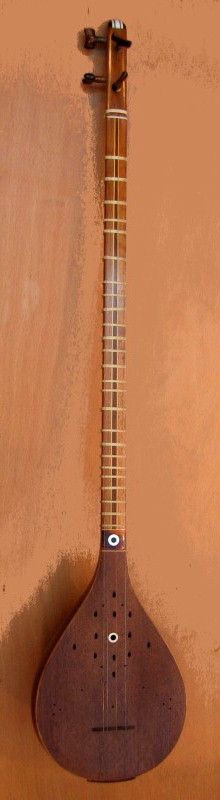
 Setar (Persian: سه‌تار‎, from seh, meaning "three" and tār, meaning "string") is a Persian musical instrument used across Greater Iran and Central asia. It is a member of the lute family, which is played with index finger of the right hand. Two and a half centuries ago, a fourth string was added to the setar. it has 25 - 27 moveable frets which are usually made of animal intestines or silk. It originated in Persia before the spread of Islam.


 ♥

25.6.15

Day & Night

Hossein Omoumi
Kia Tabasian
Zia Tabasian
Abolhassan Sabâ
Great Mediterranean Composers
2006

Tracks:

First part (dastgah-e Segah and Nava)


01. Daramad-e Segah
02. Samani
03. Zabol
04. Bahar-mast
05. Kereshmeh and Mouyeh
06. Mokhalef
07. Masnavi-ye Segah modulated to Nava
08. Shesh zarbi-e Nahoft
09. Chahar mezrab-e Nava

Second part (Avaz-e Bayat-e Tork and Afshari)

10. Do zarbi-ye Bayat-e tork
11. Chahar Mezrab-e Bayat-e tork
12. Feyli
13. Shekasteh
14. modulated to Afshari
15. Raghs-e chupi
16. Ghara-ii
17. Daramad-e Dashti
18. Zard-e malijeh
19. Gilaki20.Karevan
21. Deylaman
22. Pacheh leyli
23. Reng-e Dashti

Ney and Vocals: Hossein Omoumi
Setar: Kiya Tabassian
Tonbak: Ziya Tabassian

♫☆`*♥¸¸.•*¨*•♫☆`*♥¸¸.•*¨*•☆♫

.ღ•:*´♥`*:•ღ. 

♫☆`*♥¸¸.•*¨*•☆♫`*♥¸¸.•*¨*•☆♫


Ostad Abolhasan Saba performing SetarIf there are a few artists who have heavily influenced the twentieth century Persian classical music by their work and style, Abolhasan Saba is for sure one of them.

More than fifty years after his death this multi-instrumentalist, composer, researcher and master of Radif (the Persian Classical Repertoire) continues to pour vitality and freshness through his important contributions.

Saba was born in Tehran at the turn of the Century, in November 17th, 1902 into a family that had for long embraced music and literature by tradition. His familiarity with music began when learning the basics of Setar from his father Kamal ol Saltaneh and Tombak from his aunt's maid. He finished school at the American College of Tehran (later called Alborz) and let his ever growing desire of studying music to be fulfilled by attending, nothing less than the courses of the greatest masters of the Persian Classical Music of the moment: Mirza Abdollah Farahani for Setar, Darvish Khan for Tar, Hossein Esmail Zadeh for Kamancheh, Hossein Hang Afarin for Violin, Ali Akbar Shahi for Santoor and Haji Khan for Tombak.

In 1923, as Colonel Ali Naghi Vaziri founded his Superior School of Music, Saba was one of the first students attending Violin courses and even becoming part of the Vaziri Orchestra as the first Violin. But according to Sasan Sepanta (Persian Music specialist and historian) in his Perspective of Music in Iran, Vaziri had to convince young Abolhasan’s father to let him enter his School, amidst an atmosphere of fierce opposition to the foundation of the institution (Many cultivated spheres would consider Vaziri’s views as being too much of a Western style and opposed the creation of the school).

Saba was soon to become one of Vaziri’s favorite students and assistants, learning fast the secrets of Violin and the theory of European Classical Music. Quite naturally in 1929, the Colonel appointed him as the head of the School of Fine Arts (Conservatory) in the Caspian city of Rasht. Indeed, no need to insist on the fact that this was a dreamed position for Saba, as he would have been able to resume research and collection of folkloric music and melodies of the regions of Gilan and Mazandaran. Later he composed numerous classical melodies based on those researches including famous “Zard e Malijeh”, “Koohestani”, “Deylaman” and “Tabari”, most of them in Avaz e Dashti or Avaz e Bayat e Tork modes.

read it all here

♥

21.6.15

Tonbak & Tar

 
The Art Of Improvisiation -
Pouyan Biglar - Tar
Sina Khoshk Bijari - Tonbak

Tehran. 2013
پویان بیگلر : تار
سینا خشک بیجاری : تنبک

***

shut up and listen... :-)

* 
 

20.6.15

Tar sweet Tar (Duo for Tar & Tonbak)

  
Pouyan Biglar & Saeid Jalalian
Ashk Afshan
 
2011

Tracks:

01. Pishdaramad - 7:44
02. Daramad - 2:26
03. Chaharmezrab - 5:15
04. Jamedaran, Bayat Raje - 3:57
05. Zarbi Bayat Raje - 4:40
06. Araq - 3:12
07. Zarbi Araq - 5:39
08. Edameh-ye-Raje - 1:06
09. Zarbi Ouj o Forud - 6:00

♫☆`*♥¸¸.•*¨*•♫☆`*♥¸¸.•*¨*•☆♫

.ღ•:*´♥`*:•ღ. 

♫☆`*♥¸¸.•*¨*•☆♫`*♥¸¸.•*¨*•☆♫


Bio

پویان بیگلر
متولد 1361 همدان
آموزش
دوره ابتدایی :نزد آقایان سیاوش دیهیمی و داریوش زرگری
دوره متوسط :نزد آقایان رضا وهدانی ، ارشد تهماسبی
ورود به هنرستان موسیقی و اخذ مدرک کارشناسی نوازندگی ساز ایرانی
دوره عالی : در محضر استادان داریوش طلائی ، محمد رضا لطفی
ورود به دانشگاه هنر و اخذ مدرک کارشناسی ارشد و استفاده از محضر استاد شریف لطفی ، محسن حجاریان ،
کنسرتها
اجرای کنسرتهای پژوهشی همراه با داریوش طلایی ( تالار رودکی) ، اجرا ی کنسرت دشتی همراه با گروه همنوازان شیدا و سرپرستی استاد محمد رضا لطفی (تالار بزرگ کشور) ، اجرا کنسرت سپیده همراه با گروه همنوازان شیدا و سرپرستی محمد رضا لطفی (تالار بزرگ کشور) ، همکاری در پروژه سیمرغ همراه با محمد رضا درویشی ، حمید متبسم و همایون شجریان ( باشگاه انقلاب) ، و اجرا کنسرتهای مختلف در داخل و خارج از کشور .کنسرت خانه غریب در تالار وحدت به همراهی وحید تاج و گروه همنوازان نی داوود.
آلبوم ها
همکاری در آلبوم وطنم ایران همراه گروه شیدا به سرپرستی محمدرضا لطفی به خوانندگی محمد معتمدی به شکل صوتی و تصویری
همکاری در آلبوم تصویری سپیده به همراهی گروه شیدا به سرپرستی محمدرضا لطفی و به خوانندگی محمد معتمدی
همکاری در آلبوم یادواره عارف قزوینی گروه شیدا به سرپرستی محمد رضا لطفی به خوانندگی محمد معتمدی
همکاری در آلبوم سیمرغ همراه با حمید متبسم و همایون شجریان
ساخت و سرپرستی آلبوم خانه غریب به خوانندگی وحید تاج (اثربرگزیده جشن خانه ی موسیقی در سال ۱۳۹۰)
ساخت و سرپرستی آلبوم سوگ بهار به خوانندگی علیرضا شاه محمدی
بداهه نوازی در آواز بیات اصفهان اشک افشان به همراهی تنبک سعید جلالیان
سفر خاموش بداهه نوازی همراه با تنبک پژمان حدادی
سرپرستی آلبوم می فروشان به خوانندگی علیرضا شاه محمدی ، اجرای تصانیف قدیمی
سرپرستی و تکنوازی در آلبوم یادواره شیدا و عارف 1 اصفهان و ابوعطا
سرپرستی و تکنوازی در آلبوم یادواره شیدا و عارف 2 ، ماهور
ساخت موسیقی چند فیلم کوتاه و مستند
ساخت قطعه انسانم آرزوست به خوانندگی وحید تاج به سفارش کمیته ملی المپیک به مناسبت افتتاح المپیک 2008 پکن
فعالیت های آموزشی
تدریس در مراکز دانشگاهی در ایران مانند داشنگاه علمی کاربردی و ...
مدیر موسسه موسسه فرهنگی – هنری بسته نگار 


Tar

Sweet Tar : )

♥

4.2.15

Tar Sweet Tar

  
Ata Jangouk & Farid Mozaffarzadeh
Navaye BiNahoft

15 tracks

Ata Jangouk - tar
Farid Mozaffarzadeh - tombak

♫☆`*♥¸¸.•*¨*•♫☆`*♥¸¸.•*¨*•☆♫

.ღ•:*´♥`*:•ღ. 

♫☆`*♥¸¸.•*¨*•☆♫`*♥¸¸.•*¨*•☆♫
 
 
Ata Jangouk

Short Description


    مــردن عـاشـق نمي ميــرانـدش / در چراغي تازه مي گيرانـدش

Personal Information

    عطا جنگوک، نوازندهٔ ایرانی تار و سه‌تار و پژوهش گر و مدرس موسیقی در پاییز 1327 در شهرستان لار متولد شد.

    با علاقه وافری که به موسیقی داشت از 16 سالگی مشق موسیقی را با تار آغاز نمود و برای آموختن اين ساز چند صباحی به تبریز رفت و نزد استاد محمد حسن عذاری_ از شاگردان درویش خان _ به یادگیری تار پرداخت.
    وی تا مقطع دیپلم را در زادگاهش سپری نمود و در سال 1351 وارد دانشکدهء هنرهاي زيباي دانشگاه تهران گردید. در سال هاي دانشکده از محضر اساتید بزرگ ردیف، همچون نور علی خان برومند و دكتر صفوت بهره برد.

    شاگردی مکتب علی اکبر خان شهنازي_ ردیف دان و استاد بی همتای تار _همواره آرزوی او بود.با راه یافتن به مکتب استاد حدود 10 سال به فراگیری راز و رمز موسیقی ایرانی پرداخته و به واسطهء تلاش بی وقفه اش، همزمان به تدریس سایر شاگردان استاد زیر نظر ایشان پرداخت و خليفهء كلاس شد .

    عطا جنگوك در سال هاي دانشكده ، رديف هاي آقا ميرزا عبدالله و آقا ميرزا حسين قلي و هم چنين رديف و ضربي هاي استاد شهنازي را تمام مي كند و در ضمن در سال 1352 به مركز حفظ و اشاعهء موسيقي راه پيدا كرد و از اين زمان بود كه نواختن سه تار را نيز زير نظر اساتيد بزرگي چون سعيد هرمزي و يوسف فروتن آغاز نمود .او هم چنين مدت ها از محضر غلام حسين بيگجه خاني استفاده كرد .

    فعالیت وی در مرکز حفظ و اشاعه موسیقی در سالیان متمادی منجر به همکاری وی با اساتیدی چون مرحوم علی اصغر بهاری و مرحوم رضوی سروستانی شد.

    بهره مندی از محضر اساتید بزرگی که هر کدام گنجینه ای از موسیقی ایرانی بودند از یک سو و خلوص و بداعتی که در مواجهه با آواها و نواهای ایرانی در وجود او بود از سوی دیگر، منجر به پیدایش لحنی صمیمی، دلپذیر و گرم در آثار او گردید.

    وي در دو زمینه موسیقی محلی (فولکلور) و موسیقی ایرانی فعال بود و برخورداری از شخصیت ویژه هنری در هر دو گروه از آثار وی، حکایت از عمق بینش و نگاه توام با آگاهی به موسیقی این مرز و بوم دارد. آثار وی در حوزه موسیقی محلی شامل گرد آوری، ساخت و اجرای موسیقی های فارس، بختیاری، بندر عباس و به طور عمده جنوب غرب ایران است. محبوبیت دو سویه این آثار در بین مخاطبین هم زبان و غیر هم زبان نشان از تسلط او به شاخصه های موسیقی محلی دارد. چنان که ارائهء مطلوب و خلاقانهء آثار موسیقی محلی توسط وی منجر به خلق کارهایی بسیار ماندگار در این حوزه شده است. آثاری که شایستگی یافته اند که در نزد مردم زمزمه شوند و شنونده هر چند واژه ها را نمی شناسد، اما به سبب بیان روان ساده و در عین حال ژرف اثر، در جریان فضای کلی و روحیه حاکم بر آواها و ترانه های محلی ارائه شده قرار می گیرد.

    آلبوم‌های "چشم به راه" (خواننده: شهرام ناظری)، "همسایه" (خواننده: علیرضا افتخاری) و "سرو و ماه" (خواننده: بهرام باجلان) از ساخته‌های عطا جنگوک در زمینه موسیقی سنتی ایران است.
    «مال کنون» و "هی جار" در زمينهء موسيقي در ايل بختياري ، " پرستاره " در زمينهء موسيقي محلي فارس و «یار کدیم» در زمينهء موسیقی هرمزگان است.
    او هم چنن دو اثر تك نوازي سه تار به نام هاي " نوروز " و " نواي بي نهفت " دارد .

    در دو اثر "هی جار" و "مال کنون" می توان جوهره زندگی کوچ نشینان را لمس نمود. زندگی، عشق، هجران و کار، دلبستگی های قومی و احساسات ناب و ساده ایلاتی ها را تجربه کرد و صدای احساس بر انگیز و گوش نواز زنگوله ها در زمان کوچ ایل را از لا به لای مضراب های ساز شنید.

    همنشینی صمیمانه سازها در کنار هم از ویژه گی های بارز آثار جنگوک است. در گروه آثار محلی وی، سازها ضمن حفظ استقلال و هویت خویش، به هماهنگی مطلوبی می رساند و نمونه برجسته ای از اجرای ملودی های محلی با گروه سازهای ایرانی را به وجود می آورند. حزنی عمیق و شیرین در تمام آثار جنگوک موج می زند که مخاطب را آرام آرام به خود فرا می خواند و از لا به لای صداها، به شنونده رخ می نماید. آثار جنگوک در زمینه موسیقی ایرانی نیز دارای ویژه گیهای منحصر به فرد است. برخورد خلاقانه در ترکیب سازها و توجه به استقلال آنها در حین همنوازی از جمله این ویژه گیهاست. در این گروه از آثار چه به صورت گروهی و چه به صورت تکنوازی، آن چه بر کلیت اثر احاطه دارد روحیه و احساس هنرمند است که در فرم دادن به اثر حرف آخر را می زند. صریح ترین تجلی نگاه و سبک هنرمند را در "نوروز" که تنها نوازی سه تار است می توان مشاهده نمود. آثار جنگوک به واسطه صمیمیت، سادگی و خلوص به موسیق ایرانی فرصتی دوباره می بخشد تا به جایگاه اصلی خود که همانا میان مردم است بازگردد.

    ديگر فعاليت ها :

    _كنسرت هاي " ماهور " ، " بيات اصفهان " و " بيات ترك " با همكاري خانم " پريسا "
    _تنظيم و اجراي موسيقي به مناسبت جشن هنر شيراز با آواز مرحوم "رضوي سروستاني"
    _سرودهاي انقلابي چون "فرياد سياوش "(قيام) ، " پسر ايران " ، " گلباران " ، " جنگ و گريز " ، " بهار آزادي " ، " بيا و خرم شو " و ...
    _موزيك متن چند فيلم مستند
    _كتاب هايي چون " ترانه هاي محلي فارس " ، " سوز و ساز " ، " گشايش " و " نواي بي نهفت " و ويرايش كتاب دستور مقدماتي تار و سه تار


    جنگوك يكي از چهره هاي بي ادعا ولي بسيار قابل بحث در موسيقي است كه در تمام اين سال ها شاگردان فراواني را تربيت كرد و زحمات بسياري براي پيش رفت فرهنگ و هنر اين مرز و بوم كشيد .

    وي در تاریخ ۱ اردیبهشت ماه ۱۳۸۹ شمسی به علت سکته مغزی در تهران درگذشت. یادش همواره جاوید و گرامی
    
source
  
♥
 
Farid Mozaffarzadeh 

Born 1954, plays tombak.

Early studies in Urumiyeh and Sari. He was especially interested in tar and tombak and began to learn music seriously since 1980 in Tehran. He has graduated from Faculty of Fine Arts at the Tehran University and has perfected his technique with such masters as Ata Janguk, Arshad Tahmasbi, Hossein Alizadeh, Daryush Talai and Moh.-R. Lotfi. He studied tombak for one year with the late Naser Farhangfar.
  
  
Tar

Undoubtedly tar is the most important of our national classical instruments, for the formation, compilation, edition and inheritance of the most authentic and the most comprehensive and detailed versions of radif are all worked on this instrument. Many of the greatest of tar players have deeply influenced the general trends of Persian classical music and also the major styles and forms of it. The most prominent musicians who contributed to early musicosocial activities were also players of this instrument.

***

Tar (Persian: تار‎) is a Persian and Azerbaijani long-necked, waisted instrument, shared by many cultures and countries like Iran, Afghanistan, Armenia, Georgia, Republic of Azerbaijan, and other areas near the Caucasus region. The word tār (تار) means "string" in Persian, though it might have the same meaning in languages influenced by Persian...


♥

24.1.15

Fire On The Mountain

 
Dast-i Afshān
Improvisation on garmon, naqara & tombak
2005

Tracks:

01. Ipak (12:19)
02. Araram sani (29:30)
03. Daghlar (11:01)
04. Tombak & Naqara (15:49)
♥

♫☆`*♥¸¸.•*¨*•♫☆`*♥¸¸.•*¨*•☆♫

.ღ•:*´♥`*:•ღ. 

♫☆`*♥¸¸.•*¨*•☆♫`*♥¸¸.•*¨*•☆♫
  
Garmon: Khan Nar Jafarov
  
Naqara: Vahid Asadollahi
  
Tombak: Kambiz Ganjei
 
Khan-Nar Jafarov
Born in 1956 in Baku, he began learning the garmon at the age 16 through listening to performances of the contemporary masters of his time. Then, he developed his understanding of the Azeri maqams repertory under master Mirza Ebrahimov. Nowadays, he is regarded as one of the most prestigious master players on the garmon in the Republic of Azerbaijan and widely performs inside as well as outside the country. There have been published a couple of his recordings in Baku. The present collection is the result of his collaboration with two Iranian percussionists. He is currently the conductor of the Oil Company of Baku Orchestra.

Vahid Asadillahi
Born in 1960 in Tehran, he learned the qaval under his brother while being 11. Then, he switched to naqqare owing to its wider range and studied it with Hushang Zive. Being a player for over 18 years, he made a trip to the Republic of Azerbaijan and extended his technical faculty under Almas Qoliev. Along with the master Safar-Ali Javid he experienced an orchestral performance and his learning there assisted him in his journey to Baku in 1998 a lot. He has so far had various tours to Canada, the United States, Germany, Italy, and France. He has achieved the first rank at Fajr Music Festival twice and appeared in the jury of Regional Music Festival in 2001.

Kambiz Ganjei
The son of Davud Ganjei, the renowned kamanche player. He was born in 1968 in Shahr-e Rey near Tehran. In basic principle of music his first teacher was his father. Then he went for learning tombak with Mahmud Farahmand. He has played in many concerts in Iran and abroad with ensembles Sama` and Mowlana. He began his teaching courses in the Center for Preservation and propagation of Music from 1987. He has attended the class of many Iranian masters such as Naser Farhangfar and Bahman Rajabi to perfect and improve his musical knowledge.

♥♥♥


21.6.10

Piano 5

   
Saman Ehteshami & Babak Shahraki
Baghe Royaha - Garden Dreams
2010

Tracks:

1.  Pish Daramad Shooshtari
2. Chahar Mezrab Shooshtari
3. Avaz-e Segah
4. Chahar Mezrab Segah
5. Par Basteh
6. Dar Mian-e Golha
7. Bagh-e Royaha
8. Zendegi
  
 Saman Ehteshami: Piano
Siamak Banai: Tonbak
Babak Shahraki: Violin (8)
  
♫☆`*♥¸¸.•*¨*•♫☆`*♥¸¸.•*¨*•♫
        
        
♫☆`*♥¸¸.•*¨*•♫☆`*♥¸¸.•*¨*•♫
  
  
Name:    Saman Ehteshami
Farsi Name:    سامان احتشامی
Tags:    Classic, Instrumentalists
Birth Date:    April 21, 1978     (‏ یکم اردیبهشت 1357‎)
Birth Place:    Tehran, Iran
Website:    http://www.saman-ehteshami.com/
Profession:    Classical Musician
   
سامان احتشامی با بهره گیری از محضر استادانی چون زنده یاد جواد معروفی، محمد سریر، اسماعیل امین موید با ساز پیانو وارد دنیای موسیقی شد. در سال 1368 موفق به دریافت دیپلم افتخار از جشنواره موسیقی کانون پرورش فکری کودکان و نوجوانان شد. طی سالهای 1370 الی 1374 برنده لوح زرین و لوح تقدیر جشنواره موسیقی فجر شد و مقام اول را در پیانو کلاسیک و ایرانی کسب کرد. در سال 1382 برگزیده جشنواره موسیقی فجر شد.
  
وی از دانشگاه هنر و معماری فارغ التحصیل شد و آموزشگاه موسیقی احتشامی را تاسیس نمود و هم اینک در این مرکز به تدریس شاگردان مشغول می باشد. در سال 1385 موسسه فرهنگی هنری آوای باغ مهر را به جهت انتشار آثار موسیقی تاسیس نمود.


♥

19.6.10

Piano 3

just as a piano is a piano
a santur is a santur
listen :)


Mortezā Mahjoubi
Sonence Of Blue Tiles

  
Tracks:
 
CD 1
 
1. Avaz-e Abu'ata
2. Avaz-e Abu'ata
3. Avaz-e Abu'ata
4. Avaz-e Abu'ata
5. Avaz-e Abu'ata
6. Avaz-e Abu'ata
7. Avaz-e Bayt-e Esfahan
8. Avaz-e Bayt-e Esfahan
9. Avaz-e Bayt-e Esfahan
10. Avaz-e Bayt-e Esfahan
11. Dastgah-e Segah
12. Dastgah-e Segah
13. Dastgah-e Segah
14. Dastgah-e Segah
15. Dastgah-e Segah
16. Dastgah-e Segah
17. Dastgah-e Segah
18. Dastgah-e Segah
19. Avaz-e Bayt-e Tork
20. Avaz-e Bayt-e Tork
 
CD 2
 
01. Dastgah-e Segah
02. Dastgah-e Segah
03. Dastgah-e Segah
04. Dastgah-e Segah
05. Avaz-e Bayat-e Tork
06. Avaz-e Bayat-e Tork
07. Avaz-e Bayat-e Tork
08. Avaz-e Bayat-e Tork
09. Avaz-e Bayat-e Tork
10. Avaz-e Bayat-e Tork
11. Avaz-e Bayat-e Tork
12. Avaz-e Abu'ata
13. Avaz-e Abu'ata
14. Avaz-e Abu'ata
15. Avaz-e Abu'ata
16. Avaz-e Abu'ata
17. Avaz-e Abu'ata
18. Avaz-e Abu'ata
19. Avaz-e Abu'ata
20. Avaz-e Abu'ata
21. Avaz-e Afshari
22. Avaz-e Afshari
23. Avaz-e Afshari
24. Avaz-e Afshari
25. Avaz-e Afshari
26. Avaz-e Afshari
27. Avaz-e Afshari
   
Mortezā Mahjoubi: Piano
Amir Naser Eftetah: Tonbak (CD I 1 -10) (CD II 1-4)
    
♫☆`*♥¸¸.•*¨*•♫☆`*♥¸¸.•*¨*•♫
        
        
♫☆`*♥¸¸.•*¨*•♫☆`*♥¸¸.•*¨*•♫
  
   
Morteza Mahjoubi was born in 1900 in Tehran. His father, Abbas Ali Mahjoubi, played the ney. The family owned one of the few pianos in the city, and his mother, Fakhressadat, could play a little. He started his music studies with Hossein Hang Afarin; later, Mahmoud Mofakham accepted him as his student.
 
Morteza was only ten years old when he accompanied Aref Qazvini, the renowned singer and poet, in a concert. He developed a unique technique of playing the Persian classical music on the piano, which remained true to the ornamental and monophonic nature of the music. He devised a special tuning system for the piano which enabled him to play in all the different modes and dastgahs. He was, indeed, one of the jewels of  Persian classical music. His playing charmed and mesmerized his listeners. He is known to be the only pianist who was able to play the piano as though it was created for Persian music.
 
Mahjoubi was present at the performances of Radio Iran from the very beginning. He was a prolific composer whose beautiful works have been performed by the Golha Orchastra, sung by the best singers of the time, and remembered by many with great fondness. Karevan, Nava-ye Ney, and Che Shabha are some of Mahjoubi’s best creations.
 
Morteza Mahjoubi died in 1965 in Tehran.
  
    
Amir Naser Eftetah was born in Tehran and his teachers were Hussein Tehrani and Houshang Mehrvarzan. He went to the radio in 1334 (1955) and cooperated with the Golha group. His students were Bahman Rajabi, Abtin Jalali, and Morteza Ayan.


♫